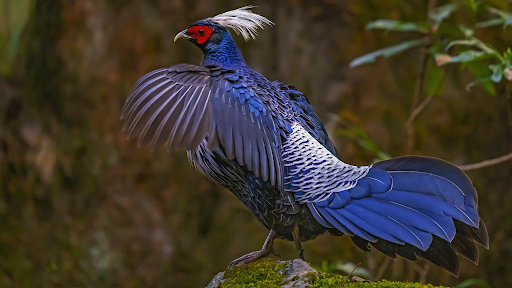
Pheasants are among the most visually striking and widely recognized game birds in the world. Known for their shimmering plumage, long tails, and alert behavior, these birds have fascinated bird watchers, farmers, hunters, and conservationists for centuries. While they are often associated with countryside landscapes and game reserves, pheasants have a much richer story that spans ecology, agriculture, and even cultural symbolism.
In this article, we’ll take a closer look at pheasant birds, their origins, natural habitat, behavior, breeding patterns, and their relationship with humans. Whether you’re curious about wildlife or considering raising them yourself, this guide offers a detailed and engaging overview.
What Are Pheasant Birds?
Pheasants belong to the family Phasianidae, which also includes chickens, partridges, and peafowl. They are ground-dwelling birds, meaning they spend most of their time walking or running on the ground rather than flying long distances. Though they are capable of flight, they usually only fly short bursts to escape predators or reach roosting spots in trees.
One of the most well-known species is the Common pheasant, which is native to parts of Asia but has been introduced widely across Europe, North America, and other regions due to its popularity in game hunting and ornamental bird keeping.
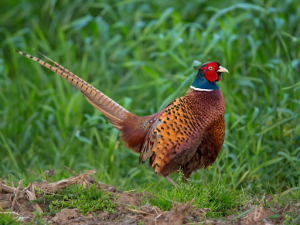
Pheasants are admired for their sexual dimorphism; males are typically brightly colored with iridescent feathers, long tails, and distinctive facial markings, while females are more camouflaged in shades of brown and tan, helping them blend into grassy environments while nesting.
Natural Habitat and Distribution
Pheasants are highly adaptable birds, which is one of the reasons they have been so widely introduced across the globe. In their native range, they are found in countries like China, Vietnam, and parts of Russia. However, human introduction has expanded their presence significantly.
They typically thrive in:
- Grasslands and farmlands
- Open woodlands
- Marsh edges and riverbanks
- Agricultural fields with hedgerows
These environments provide a balance of cover and food sources. Pheasants feed primarily on seeds, grains, insects, and small invertebrates. During colder months, they rely more heavily on grains and leftover crops, while spring and summer diets include a higher proportion of protein-rich insects.
Their adaptability to farmland has made them both beneficial and challenging in agricultural ecosystems. While they can help control insect populations, they may also feed on newly planted seeds, leading to occasional conflicts with farmers.
Behavior and Social Structure
Pheasants are generally solitary or loosely social birds, especially outside the breeding season. Males tend to establish territories and become highly protective during mating periods. Their behavior during this time is especially noticeable; they display aggressive posturing, wing flapping, and loud calls to ward off rivals and attract females.
Females, on the other hand, are more discreet. They prioritize nesting and camouflage, often laying eggs in shallow ground nests hidden in tall grass or vegetation. A typical clutch ranges from 8 to 15 eggs, and incubation lasts around 23–28 days.
Pheasants are also known for their alertness. They have a strong instinct to freeze or burst into flight when startled. This survival behavior is essential in the wild, where predators such as foxes, birds of prey, and wild cats pose constant threats.
Breeding and Lifecycle
The breeding season for pheasants usually begins in early spring and continues through early summer. During this time, males develop their most vibrant plumage and engage in courtship displays.
The lifecycle of a pheasant follows several key stages:
- Egg Stage – Eggs are laid in concealed ground nests.
- Incubation – Females incubate eggs for about 3–4 weeks.
- Chicks (Poults) – Once hatched, chicks are precocial, meaning they are mobile and can follow the mother shortly after birth.
- Juvenile Stage – Young pheasants grow rapidly and begin developing adult plumage within weeks.
- Adulthood – Full maturity is typically reached within 5–7 months.
Survival rates in the wild can be relatively low due to predation and environmental factors, which is why pheasants are often bred in controlled environments for conservation and hunting purposes.
Pheasants in Farming and Game Bird Rearing
Pheasant farming has become a specialized branch of poultry and game bird production. Farmers raise pheasants for several purposes:
- Restocking wild populations
- Sport hunting reserves
- Ornamental bird collections
- Meat production (in some regions)
Raising pheasants requires careful attention to housing, nutrition, and predator protection. Unlike chickens, pheasants are more flighty and require taller enclosures or netted runs to prevent escape. They also benefit from naturalistic environments with grass, shrubs, and hiding areas.
Feeding programs typically include game bird starter feed, grains, greens, and insect protein supplements. Clean water and biosecurity measures are essential to prevent disease outbreaks, especially in large breeding operations.
For those entering this niche, one common question is where to buy pheasants. The answer usually depends on your purpose whether for hobby farming, hunting preserves, or conservation projects. Licensed game bird breeders, poultry farms, and specialized hatcheries are the most reliable sources. It is important to ensure that any purchase complies with local wildlife and agricultural regulations.
Buying and Keeping Pheasants Responsibly
If you are considering keeping pheasants, it’s essential to understand the responsibility involved. These birds are not like typical backyard chickens; they require more space, specialized care, and a secure environment.
When exploring where to buy pheasants, prospective owners should prioritize reputable breeders who provide healthy, disease-free stock. Many breeders offer day-old chicks, juveniles, or mature birds depending on your setup and experience level.
Before purchasing, consider:
- Local wildlife and poultry regulations
- Housing requirements (especially predator-proof fencing)
- Feed availability and cost
- Long-term care commitment
- Purpose (ornamental, breeding, or game stocking)
Ethical sourcing is also important. Avoid suppliers who cannot verify breeding conditions or who operate without proper permits, as this can contribute to illegal wildlife trade or poor animal welfare standards.
Ecological and Conservation Importance
Pheasants play an interesting role in ecosystems. In some regions, they are native species that contribute to biodiversity. In others, they are introduced species that have adapted well but may interact with local wildlife in complex ways.
Conservation programs often involve breeding pheasants in captivity and releasing them into suitable habitats to support population recovery. These programs help maintain ecological balance, especially in areas where habitat loss or hunting pressure has reduced wild numbers.
At the same time, wildlife managers must carefully monitor introduced pheasant populations to ensure they do not negatively impact native species or habitats.
Cultural and Historical Significance
Pheasants have also held cultural importance across various civilizations. In ancient China, pheasants were associated with beauty and prosperity and frequently appeared in art and symbolism. In Europe, pheasants became closely tied to aristocratic hunting traditions, often featured in royal game reserves and countryside estates.
Their striking appearance has also made them popular subjects in paintings, literature, and modern wildlife photography. Today, they continue to be admired not only as game birds but also as symbols of natural elegance.
Conclusion
Pheasants are far more than just colorful game birds. They are adaptable survivors, important ecological participants, and historically significant animals that have shared a long relationship with humans. From their natural habitats in grasslands and forests to managed farms and conservation programs, pheasants continue to thrive in diverse environments.
Whether observed in the wild, raised in controlled settings, or studied for ecological purposes, these birds offer a fascinating glimpse into the balance between nature and human activity. And for those interested in keeping or breeding them, understanding their needs and carefully researching where to buy pheasants is a crucial first step toward responsible and successful care.
In the end, pheasants remind us how beauty, adaptability, and ecological complexity often come together in the natural world right at our feet, in the rustling grass of open fields.
Stay in touch to get more updates & news on Influencersgonewild!