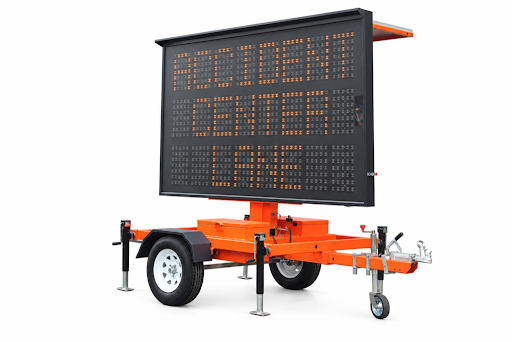
When a road crew has to warn drivers about work ahead, speed is important. Setting up a sign that does not need a power connection makes that job easier. The P38 Solar VMS Display is listed by WDM Traffic as a solar-powered mobile VMS display, and this article looks at what that kind of equipment offers and what to check before buying.
Understanding the terms
VMS stands for variable message sign. It is an electronic board that shows text or symbols which can be changed. “Solar powered” means the unit collects energy from sunlight through a panel and stores it in a battery. “Mobile” means it is designed to be moved from one location to another, often on a trailer or movable base. Together, these features suit temporary work that changes location.
Why mobility helps
Road projects rarely stay in one place. A crew might repair a short stretch of road one day and move to another street the next. A mobile unit can follow the work, so drivers always see a warning near the active area. It also helps in short-term events, where signs are needed for a few days and then removed.
Benefits of solar power on mobile signs
- Reduced dependence on fuel for generators in many situations
- Quieter operation near homes, schools, and hospitals
- Fewer refuelling visits to the site
- Useful in locations without grid access
Actual performance depends on battery capacity, display brightness, hours of operation, and weather, so confirm these details with the supplier. During long cloudy periods, battery charge may drop faster than the panel can restore it, and planning for that is sensible.
Checking the specifications
Before choosing the P38 Solar VMS Display or any similar model, read the product page and ask for full technical details. Useful items to verify include:
- Display size and the number of lines or characters shown
- Viewing distance and brightness in daylight
- Battery type and expected runtime
- Solar panel capacity
- How messages are entered and changed
- Operating temperature range and weather protection
Do not rely on assumptions. If a detail is not clearly stated, ask the supplier for it in writing.
Writing effective messages
Drivers read signs while moving, so shorter messages are safer. Use common words, avoid abbreviations people may not know, and place the most important information first. For example, a warning about a closed lane should be the first thing drivers read, followed by any instructions. Test your messages by asking someone unfamiliar with the site whether they understand them at a glance.
Placement and safety
Position the sign early enough for drivers to read and slow down safely. Make sure it does not block pedestrian paths or the line of sight at junctions. Check that the unit is stable, especially in windy areas, and follow the manufacturer’s setup instructions carefully. Local traffic rules may also set requirements for temporary signs, so confirm them before use.
Care and maintenance
Clean the solar panel regularly so dust does not reduce charging. Inspect the display, cables, and battery connections, and store the unit in a safe place when it is not in use. Keeping a simple maintenance log helps you notice patterns and fix small problems before they stop the sign from working.
Final thoughts
A solar-powered mobile VMS can be a useful tool for road workers, event organisers, and facility managers who need flexible messaging without fixed power. If you are considering the P38 Solar VMS Display, study its specifications, compare them with your site needs, follow local regulations, and ask the supplier any questions before ordering. Careful selection and correct use will help your signage do its real job, which is guiding drivers safely.