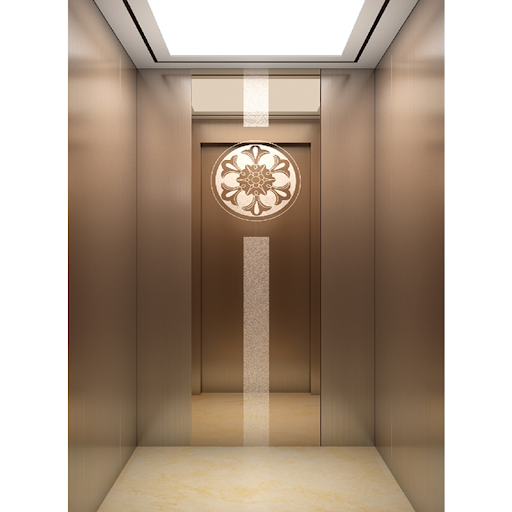
Every apartment block, hotel and office tower depends on its passenger elevators working smoothly. When they do, nobody notices. When they do not, everyone does. Picking the right passenger elevator manufacturer is therefore one of the most important decisions in a building project. This guide explains the questions to ask, using the information published by GOTS Elevator on its passenger elevator manufacturer product page as a practical example.
Understand the range on offer
A good manufacturer should be able to show you a clear product range. GOTS Elevator says its passenger elevator category includes more than 20 series with load and speed parameters designed for residential, commercial and medical use, and that non standard dimensions can be customized. The standard loads listed on the page are 800 kg and 1000 kg. The page mentions several speed options and custom parameters but does not give specific speed values, so a buyer should ask for exact figures for the model being considered.
Machine room or machine room less
One of the first technical choices is whether the elevator needs a machine room. The company describes two types.
A machine room type is meant for buildings that have a dedicated space for the machinery. The company says it offers strong load bearing capacity and stability and suits high rise commercial buildings, hotels and large residential projects.
A machine room less type, often shortened to MRL, does not need a separate machine room. The company describes it as space saving, with low vibration and noise, energy savings, quick installation and maintenance, and a flexible design for different building types and heights. It says this type suits apartments, mid rise buildings and offices.
Which one is right for you depends on your building design, your budget and the way the building will be used. Your architect or elevator consultant should help you decide.
Safety features to look for
Passenger safety should never be an afterthought. The page lists emergency brakes, overload sensors, an emergency intercom and anti pinch door locks among the safety features. When you speak with any manufacturer, ask what safety devices are fitted as standard and what is optional, and ask which standards the elevator meets. GOTS Elevator lists EN81-20 and EN81-50 among its certificates on its website.
Ask also how the elevator behaves in a power cut, and whether a rescue or backup function is available.
Efficiency and comfort
The page mentions smart dispatch systems that aim to reduce waiting times, along with energy efficient drives and LED lighting. In a building with several elevators, dispatch logic makes a real difference at busy times such as the morning rush. Ask how the controller groups calls, and what energy saving features are included.
Comfort matters as well. Smooth starting and stopping, low noise and a well lit cabin all affect how people feel about a building.
Cabin design and customization
The company states that cabin interiors, materials, lighting, surface finishes and functional configurations can all be customized. Models named on the page include a mirror finish stainless steel passenger elevator, a stainless steel black titanium option, and several others with numbers such as Ts B49 1000 and Ts J01 1000. The page lists model titles but does not give detailed specifications for each, so ask for datasheets.
If your building has a particular style, such as a hotel lobby with a premium look or a simple practical office, discuss finishes early. Changing a cabin design late in a project is expensive.
What a manufacturer needs from you
A reliable quotation requires accurate information. According to the page, quotes require the shaft dimensions, the number of floors, the height per floor, whether you want a machine room or machine room less type, and site photos. Having these ready speeds up the process and prevents misunderstandings. If your building is still being designed, ask the manufacturer for its recommended shaft and pit dimensions.
Service and maintenance
An elevator is a long term asset, so service is part of the purchase. The page lists regular maintenance, rapid repair and remote technical guidance. Ask whether maintenance is done by the manufacturer or by a local partner, how fast they respond to faults, and how spare parts are supplied.
Compare more than one offer
Do not choose on price alone. Compare certificates, safety features, warranty terms, delivery time, installation responsibility and after sales support. A lower price can become expensive if installation is poor or parts are slow to arrive.
Take your time, ask clear questions and ask for everything in writing. A well chosen manufacturer will answer openly, and your building will benefit for many years.