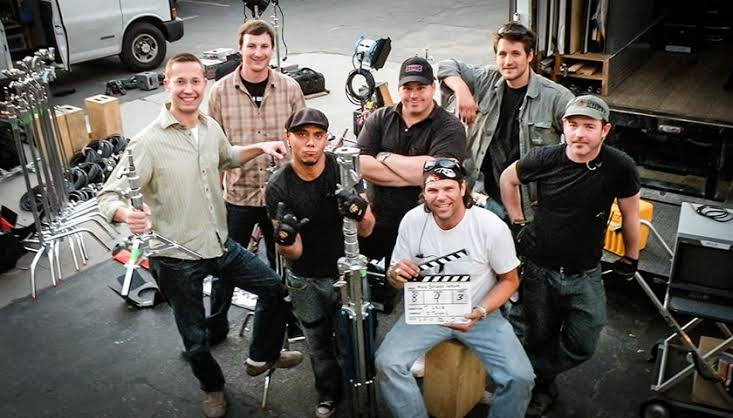
A location shoot looks glamorous from the outside. From the inside, it is a twelve-hour day in a car park, a field, or a quiet street, with cables underfoot, vehicles reversing, and a forecast that changes every hour. The crew members who make it all happen, from grips and runners to camera assistants and location managers, rarely get to choose when they stand in the cold or the wind.
Clothing is one of the few variables a production can control. This guide is for producers, production managers, and small-studio owners who want a simple, repeatable approach to dressing crews for long days outdoors.
Why Crew Clothing Deserves a Line in the Budget
On many productions, crew apparel is an afterthought, handled by whatever people bring from home. That works until the first wet morning, when half the team is underdressed, and the other half is wearing something dark that is hard to spot in low light.
A small clothing allowance or a standard kit solves several problems at once. It keeps people comfortable enough to concentrate, it makes the team easy to identify to the public and to each other, and it removes the awkward conversations about who forgot what.
Understand How a Shoot Day Actually Flows
Before choosing anything, map a typical day. Call times are often before dawn, and wrap can run well after dark. In between, some crew members stand still for long periods, such as security, continuity, or people watching monitors, while others carry equipment and generate plenty of body heat.
Ask three questions for each department:
- How much of the day is spent standing still versus moving?
- Will they be near vehicles, generators, or moving equipment?
- Do they need to be recognized quickly by cast, extras, or the public?
The answers show you who needs warmth, who needs breathability, and who needs to be seen.
Make Visibility the First Decision
Location work often involves closed streets, crowded pavements, vehicles repositioning between setups, and extras wandering through frame. Anyone working near traffic or equipment should be easy to spot, particularly at dawn, dusk, and night.
Many productions standardize on High Visibility Jackets for the traffic marshals, location team, and runners who work closest to vehicles, so that those people are instantly identifiable to everyone on site. Rules for work near roads differ between regions and permit types, so check what your location permit and your health and safety adviser require before you buy, and confirm that any garment’s labeling matches those requirements.
Use Visibility to Organize the Set
A consistent bright layer also helps with crowd flow. Members of the public soon learn that people in that layer can answer questions or direct them, which takes pressure off the assistant directors.
Plan for the Weather You Cannot Schedule Around
Rain delays are expensive, but crew discomfort is also costly, because tired and cold people make slower decisions. Build a layering plan that works from a cold dawn to a breezy afternoon.
A breathable base layer and an easily removed mid layer cover most of the temperature swing. Wind is the part people underestimate. A light, packable windbreaker jacket is the sort of piece that can live in a kit bag and come out when gusts pick up, or a shower passes through, without adding bulk for crew members who need to move quickly. Read the product details for what a garment is designed to handle, and do not promise crews more weather protection than the maker describes.
Think Beyond the Jacket
A few small items make a surprising difference over a long day.
- Warm hats and thin gloves that still allow handling of small equipment.
- Spare dry socks, kept in the production vehicle.
- Rain covers or ponchos for days when the forecast turns.
- A shared kit box with spare layers for anyone caught out.
Keep the box stocked at the production office and replenish it after each shoot.
Handle Sizing for a Changing Crew
Crews change from job to job, and many members are freelancers. That makes sizing harder than for a permanent team. Ask for sizes in the booking confirmation, order a few extras in common sizes, and keep a simple sign-out sheet. If garments are returned at wrap, wash and inspect them before storing.
Keep Branding and Department Identification Practical
If you want crews to be identified by department, use a simple system, such as a small colored tag or a printed word on the back, rather than ten different outfits. Production logos should be modest and placed so that they do not cover any features meant to keep people visible.
Look After the Garments
Location work is dirty work. Mud, oil, and repeated washing take a toll, and bright garments in particular lose their effect when they are stained or faded. Inspect items before each production, replace anything worn out, and follow the care label.
Ask the Crew After Wrap
At the end of each shoot, ask what worked. People will tell you quickly if pockets were awkward with gloves, if a layer was too warm for carrying, or if a size ran small. Keep these notes with the production file so the next project starts from a better baseline.
Final Thoughts
Good crew clothing on a location shoot is a quiet kind of professionalism. Map the day, put visibility first where vehicles are involved, plan for wind and rain with layers that pack small, and keep sizing flexible. A crew that is comfortable and easy to identify works more smoothly, and the production feels more organized to everyone who walks onto the set.